MS Cognitive Fatigue and Typing Mistakes: When Writing Used to Feel Easier
◆
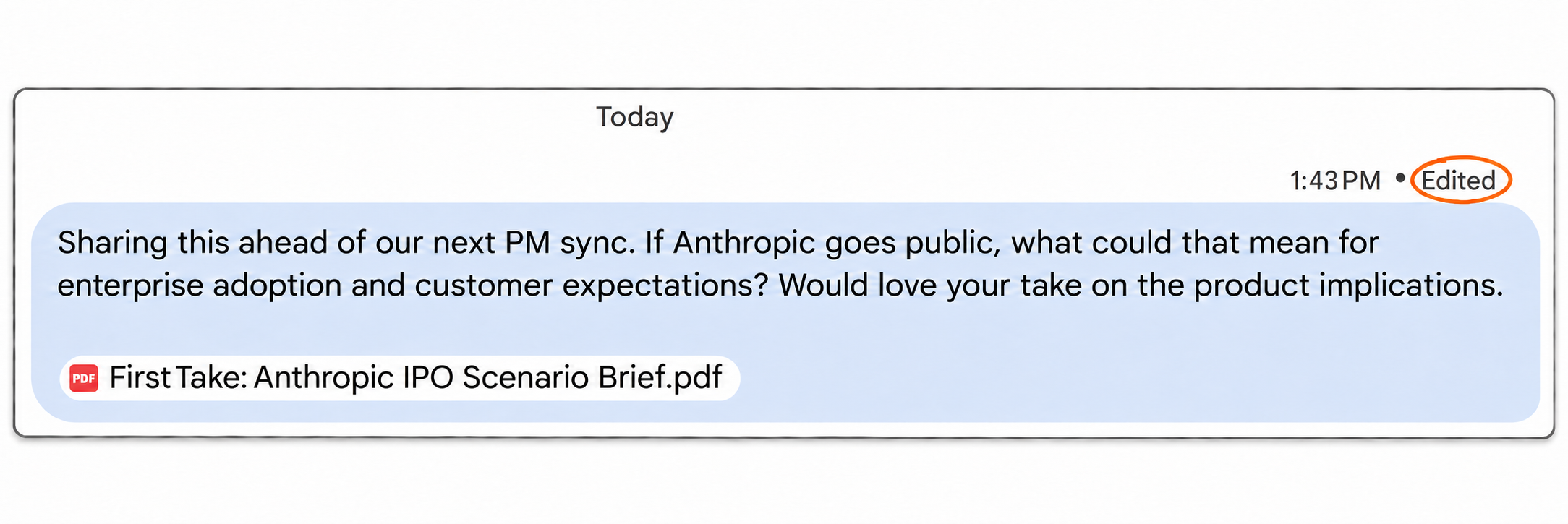
I send a message to a colleague, go back to read it, and there it is. A word is missing. Something is misspelled. The sentence needs fixing before it says what I meant. “Well, crap.” Back I go to edit it, leaving that little “edited” label behind. If there were an award for using that feature, I’d be a contender.
By my own rough estimate, I do this seven times out of ten. That’s an impression, not a tracked statistic, but it happens enough that I notice: the mistakes, the time spent fixing them, and the embarrassment that follows. wonder whether the reader thinks I’m careless. My brain skipping words when typing is the clearest way I can describe it, and mostly, I miss the brain-hand connection I remember having.
Writing is part of my job, and it’s something I choose to do here, too. Getting my point across matters to me, which is why fixing an ordinary chat message feels so frustrating. I’m comparing myself to someone I know very well: me, a few years ago.
Why Is My Brain Skipping Words When Typing? MS, Cognitive Fatigue, and Writing
That frustration sent me looking for answers about cognitive fatigue in multiple sclerosis. Sitting at a keyboard hardly looks strenuous, but some days I can feel how much effort communicating takes.
Cognition covers attention, concentration, memory, processing information, and communicating it to others. The National Multiple Sclerosis Society explains that MS can affect these functions, and that cognitive changes can touch self-esteem and communication as well as everyday responsibilities. That combination fits when the everyday responsibility is writing to someone at work.
Researchers also draw a distinction worth knowing about.
Cognitive fatigue is the felt experience of mental exhaustion. Fatigability is whether your performance changes as you keep working at a task.
How tired someone feels and how they perform on a test don’t always tell the same story.
A recent study looked at this in 34 people with MS and 32 people without it. After adjusting a thinking task to each person’s information-processing speed, the groups didn’t differ significantly on objective measures of fatigability. Even so, the people with MS reported more fatigue from the task. It was a small study of one particular task, so it can’t explain what happens when I type a message. It does show why measuring performance alone may miss the effort someone feels.
For me, “brain-hand connection” is just how I describe the experience. It isn’t a diagnosis. A typo by itself can’t tell me what’s causing it. What I can say is that I notice these mistakes, they frustrate me, and being tired or stressed makes them worse.
The Extra Work Behind an Edited Message
There’s the work of writing the message, and then the work of correcting it, plus the running commentary about why I didn’t catch it sooner. By the time the sentence says what I meant, I’ve spent far more attention on a small exchange than I wanted to.
This is the part of life with MS that I find hardest to explain: remembering the ease of something. I can still have a point to make and care about making it clearly, while being frustrated by what it takes to get it onto the screen. Knowing that everyone makes mistakes doesn’t make my own comparison go away.
What Helps Me With Writing Mistakes
These are the things that work for me, along with one I know I should do and don’t.
What helps:
- Writing early in the day, when I have more energy, if I have the choice.
- Using editing tools or AI to catch what I miss. I’m grateful for them. I still check that the wording says what I mean, but having help with something that’s become more frustrating is a relief.
- Giving myself permission to send a “good enough” message for low-stakes chats, and saving my effort for the writing that matters.
What I should do but don’t!
- Read before sending instead of after. It would catch a lot, but my reading always seems to happen once the message is already gone. Hurry wins every time, and it’s a little strange how it never crosses my mind until the “edited” label is already in sight.
What to Tell Your Doctor About Cognitive Changes
The National MS Society recommends raising cognitive concerns with your care team, and seeking evaluation when they interfere with responsibilities at home or work. Specific details help more than a general complaint. “I keep leaving words out of messages and spending extra time fixing them” gives a clearer picture than “my brain feels off.” It can help to note:
- What you’re noticing (your brain skipping words when typing, misspellings, losing your train of thought)
- When it happens (end of day, when stressed, after a poor night’s sleep)
- How it affects your work or daily life
Both Things Can Be True
I wish this were easier. I’m grateful for the tools that help. Both are true, and neither requires me to pretend that an edited message is the whole story of what I know or what I can contribute.
I’m sharing my own experience, not medical advice. If you’re noticing changes in your thinking or writing, talk with your healthcare team.
What’s something you still do, but wish felt as effortless as it once did? And if you live with MS, what helps you, or what’s the habit you know would help but haven’t built yet? I’d love to hear in the comments.